Today
A queue answered after the lost cart.
- A hold queue measured in eighteen minutes.
- An IVR fluent in only one language.
- A customer service line saturated by the third hour.
- A cart abandoned on Black Friday because nobody answered.
A cart abandoned on Black Friday. A return script drifting from the brand voice — the lines your next brand audit will examine.
On Black Friday, the head of customer measures carts recovered in language — not customers who closed the tab on the brand.
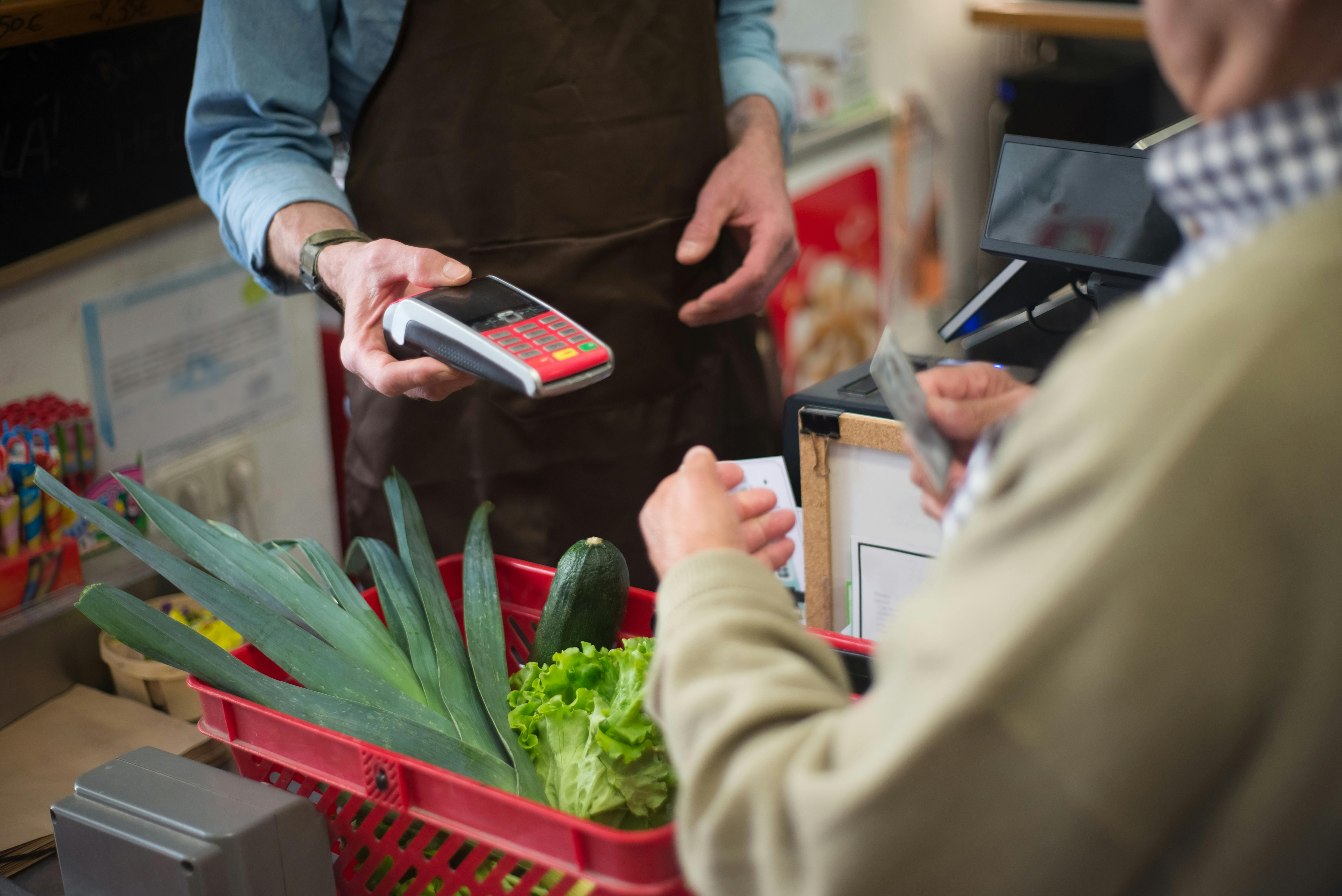
On the holiday season, the operations lead doesn't chase four channel vendors — she signs off one file.
1. Multilingual customer-service lines. Order status, delivery exceptions, returns, exchanges, and dispute support in language, on the SLAs your head of customer agreed to — not the SLAs that exist only in a master contract.
2. Pre-purchase shopping help. In-language product Q&A, sizing and fit, recommendations, and gift advice on web chat, social, and voice, with agents trained on the brand voice and the season's catalog.
3. Post-purchase support. Delivery exceptions, refunds, replacements, and warranty claims in language — with case state visible on the agent's screen, not pieced together from three systems.
4. Marketplace seller and trust-and-safety operations. Multilingual seller support, listing review, and trust-and-safety escalation operated inside one control environment, on one credentialing bar.
5. AI intake with credentialed escalation. Voice agents and chatbots handle routine order, delivery, and account questions in multiple languages, with a logged escalation path to a credentialed human the moment the conversation leaves the AI boundary.
6. Peak-day surge capacity. Pre-agreed multilingual capacity for Black Friday, Cyber Monday, Boxing Day, and prime-event windows — activated against the SLA, not sourced the morning the queue spikes.
On the return, the customer ops lead doesn't search for the case — she opens it on the program file.
On the peak hour, the retention lead measures cases opened in the customer's language — not silence in the queue.
Retailers and marketplaces are particularly exposed to the failure modes of a fragmented vendor stack. Four contracts means four security reviews, four brand-voice trainings, four returns workflows, and four different people to call when an agent doesn't match the encounter. Every new contract is a new surface area for brand risk and a new line item the VP customer can see.
DefrilexCX fixes that by being one platform operated by one delivery team.
One control environment. One data-protection posture, signed DPA where required, access logging, role based access, and documented data handling, scoped once. Adding a second channel does not trigger a second security review.
One brand voice. Every agent on the network is trained on the same brand standards. Multilingual writing styles, returns scripts, and tone references — all on one program, refreshed against the season.
One delivery lead. The operator who scopes the program runs the program. VP customer and operations teams work with a single accountable name, not a rotating cast of account managers.
One escalation path. When a session leaves an AI agent's boundary or an agent's range, the escalation is to a credentialed human on the same network — not into a different vendor's queue.
One evidence file. When a CCPA request, a chargeback, or a brand-standards review asks how a session or a refund was produced, the delivery lead produces a single record with the credential, the workflow, and the case trail pre mapped.
The operating model is the part retail leaders actually need. The services are what gets delivered through it.
When the data subject request lands, the privacy officer doesn't trace the trail — she sends one file.
Remote Interpretation — over the phone, video, and sign language interpretation for in-store consultations, virtual styling sessions, and high-stakes customer encounters.
Solutions / Remote Interpretation →Customer Experience — multilingual service lines, returns and order-status operations, marketplace seller support, and omnichannel contact-center work.
Solutions / Customer Experience →Startup & Operations Support — back office operations for returns, refunds, listing review, and seller workflows, operated inside the same control environment.
Solutions / Startup Support →AI & Automation — voice agents and chatbots for routine order, delivery, and account questions, with credentialed human escalation.
Solutions / Ai Automation →Most retail programs start on one of these and add a second or third before the next holiday season. The operating model is the reason it holds under peak load.
DefrilexCX runs multilingual operations for enterprises in healthcare, government, financial services, legal, education, and retail.
Quantitative proof cards are intentionally held back until approved brand outcomes, references, and legal wording are available.
If you run a customer-service line, a returns and order-status operation, or a marketplace trust-and-safety program inside a retailer, marketplace, or direct-to-consumer brand — and the current vendor stack isn't giving you the brand voice, the peak-day capacity, or the evidence trail consumer work is held to — the next step is thirty minutes with the operator who'd run your engagement. Not a pitch. A straight conversation about the work, the brand frame, and whether we're the right fit.
 RT . 02
Omnichannel . on every screen
RT . 02
Omnichannel . on every screen
 RT . 03
Checkout . interpreter on call
RT . 03
Checkout . interpreter on call